Warehousing is one of those industries that only becomes visible when it fails. A retailer notices it when shelves sit empty, a manufacturer when a production line stalls waiting on parts, a caterer when frozen stock arrives soft at the edges. Behind every smooth supply chain sits a network of storage space quietly doing its job, and the way that space is designed and run has a direct effect on cost, sustainability, and reliability.
Riyadh has become the natural centre of gravity for this activity. As the Kingdom’s largest inland market and a hub for national distribution, the capital pulls in goods from every port and sends them out again to cities across the country. That central role, combined with the ambitions of Vision 2030 and a fast-growing consumer base, has turned efficient storage from a background utility into a genuine competitive factor. This article explores how businesses in the capital can think more strategically about the space where their inventory waits.
Riyadh’s Position at the Centre of National Distribution
Unlike the coastal cities that receive imports first, Riyadh sits at the crossroads where goods are consolidated, sorted, and redistributed. A pallet may arrive from Jeddah or Dammam, pause in a Riyadh facility, and then split into a dozen smaller deliveries heading to retailers, restaurants, and clinics across the central region. That consolidation role makes the capital’s warehousing especially demanding, because it has to handle variety, speed, and volume all at once.
It also makes location within the city matter. Proximity to ring roads and industrial districts shortens delivery windows and reduces the fuel and labour spent moving goods the last mile, which in a market this size is a meaningful saving repeated thousands of times a week.
Ambient Storage: The Quiet Workhorse
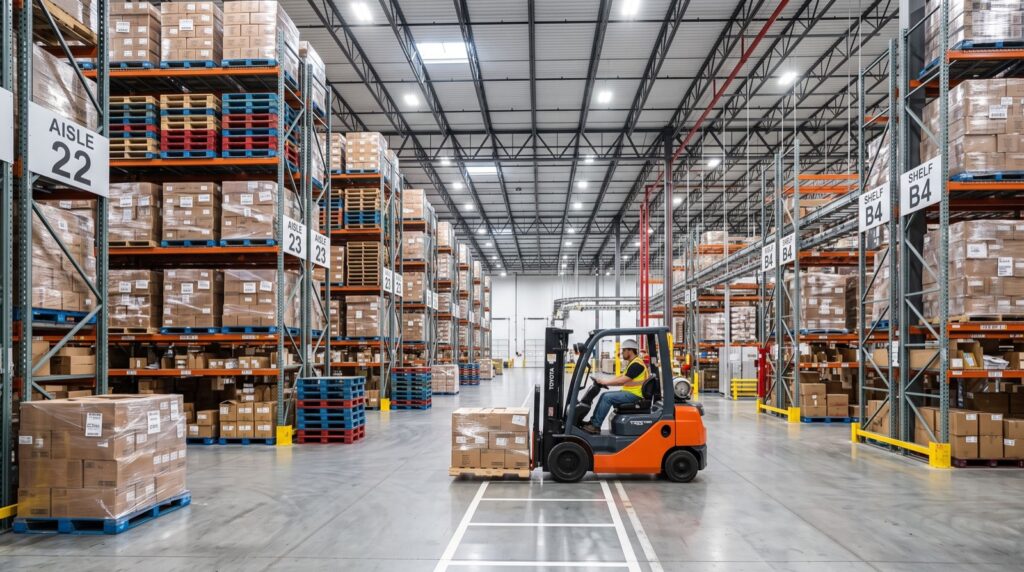
Most inventory does not need refrigeration, but it does need protection from heat, dust, and humidity. Ambient storage covers this vast middle ground: packaged foods, household goods, electronics, building materials, and countless other items that stay stable within a controlled but non-refrigerated range. In a climate as hot and dry as Riyadh’s, even these robust goods degrade if left in an unventilated space where daytime temperatures climb unchecked.
Businesses that place their shelf-stable inventory in professionally managed Ambient Storage In Riyadh gain clean, ventilated, pest-controlled space that keeps packaging intact and products saleable without the energy cost of refrigeration. For high-volume distributors, this is often the largest and most cost-sensitive part of their storage footprint, and getting it right frees budget for the categories that genuinely need cooling.
Frozen Storage: Small Footprint, Outsized Importance
At the other end of the spectrum, frozen goods occupy a smaller share of most warehouses but demand a disproportionate share of attention. Ice cream, meat, poultry, seafood, and frozen ready meals all rely on deep, stable sub-zero temperatures, and any drift threatens both quality and safety. The equipment is more expensive, the energy draw is higher, and the consequences of failure are more severe.
For food distributors and caterers serving the capital’s growing hospitality sector, reliable Frozen Storage is what allows them to buy in bulk, smooth out seasonal price swings, and guarantee consistent supply to their own customers. The ability to hold frozen stock safely for weeks turns volatile procurement into a planned, predictable operation.
The Energy Equation Behind Cold Storage
Refrigeration is energy-intensive, and in Riyadh’s climate the machines fight a constant battle against outside heat. That makes energy efficiency more than an environmental talking point; it is a direct driver of operating cost. Well-insulated panels, high-speed doors that limit warm-air intrusion, efficient compressors, and smart temperature zoning all reduce the electricity needed to hold a set point.
These efficiencies also align with the sustainability goals woven through Vision 2030. Facilities that lower their energy intensity are not only cheaper to run but better positioned for a future where carbon and consumption are increasingly scrutinised. Choosing storage that treats efficiency seriously is a decision that pays back on both the balance sheet and the environmental ledger.
Matching Storage Types to Real Demand Patterns
One of the most common mistakes distributors make is treating all their inventory as if it belonged in one bucket. In reality, demand for different product types rises and falls on different rhythms. Frozen desserts spike in summer, dry construction materials track building cycles, and packaged staples move steadily year-round. A storage strategy that ignores these patterns either overpays for cooled space it does not need or runs short of it at the worst possible moment.
Working through these patterns with an experienced local team helps businesses right-size each temperature category and flex capacity as seasons shift, rather than locking into a fixed footprint that fits the market only part of the year.
What Vision 2030 Means for Warehousing Demand
The economic diversification driving Vision 2030 is reshaping what the Kingdom stores and how much of it. Tourism, entertainment, expanded manufacturing, and a rising population all generate new streams of goods that need somewhere to wait. Food imports climb to feed a growing hospitality sector, pharmaceutical volumes rise with expanded healthcare, and e-commerce multiplies the number of small, fast-moving consignments passing through distribution hubs.
For the businesses positioned to serve this growth, storage is not a static cost but a platform for expansion. Those who invest early in the right mix of ambient, chilled, and frozen capacity will be ready to scale as demand accelerates, while those who treat storage as an afterthought risk being capacity-constrained just as opportunity peaks.
Key Takeaways
- Riyadh’s role as a national consolidation hub makes its warehousing handle variety, speed, and volume simultaneously.
- Ambient storage covers the largest, most cost-sensitive share of inventory and still needs active protection from heat and dust.
- Frozen storage is a small footprint with outsized importance, enabling bulk buying and stable supply for food businesses.
- Energy efficiency in cold storage is both an operating-cost lever and a Vision 2030 sustainability advantage.
- Aligning storage capacity with seasonal demand patterns avoids overpaying for cooling or running short at peak.
- Economic diversification is expanding what the Kingdom stores, making flexible capacity a platform for growth.
Storage as a Strategic Investment
The businesses that will thrive in Riyadh’s evolving economy are the ones that stop thinking of storage as dead space and start treating it as active infrastructure. The right blend of ambient and frozen capacity, run efficiently and sized to real demand, does more than protect inventory; it lowers cost, supports sustainability targets, and gives a distributor the confidence to say yes to bigger orders and new opportunities. In a market growing as fast as the capital’s, that readiness is worth far more than the rent on the space itself.