HOA Pet Waste Management: A 2026 Community Guide
HOA pet waste management is one of the most common sources of neighbor complaints in residential communities, and solving it well protects property values, resident satisfaction, and public health. Whether you serve on a board, manage a property, or simply live in a community with shared spaces, understanding how to handle commercial and communal pet waste is essential. This 2026 guide covers waste stations, service contracts, and the policies that keep shared areas clean.
Uncollected waste in common areas is more than an eyesore. It drives complaints, damages landscaping, and creates real health and liability concerns. Here is how well-run communities stay ahead of it.
Why Communal Pet Waste Is a Bigger Problem
In a private yard, one owner is responsible. In a shared community, dozens of dogs use the same green spaces, and accountability blurs. The result is faster buildup, more visible messes, and mounting resident frustration. For HOAs and commercial properties, the challenge is scale.
Common pain points include:
- Shared lawns and dog runs with heavy traffic
- Residents who do not pick up after their pets
- Overflowing or missing waste stations
- Landscaping damage from acidic waste
- Complaints that land on the board or manager
The Role of Pet Waste Stations
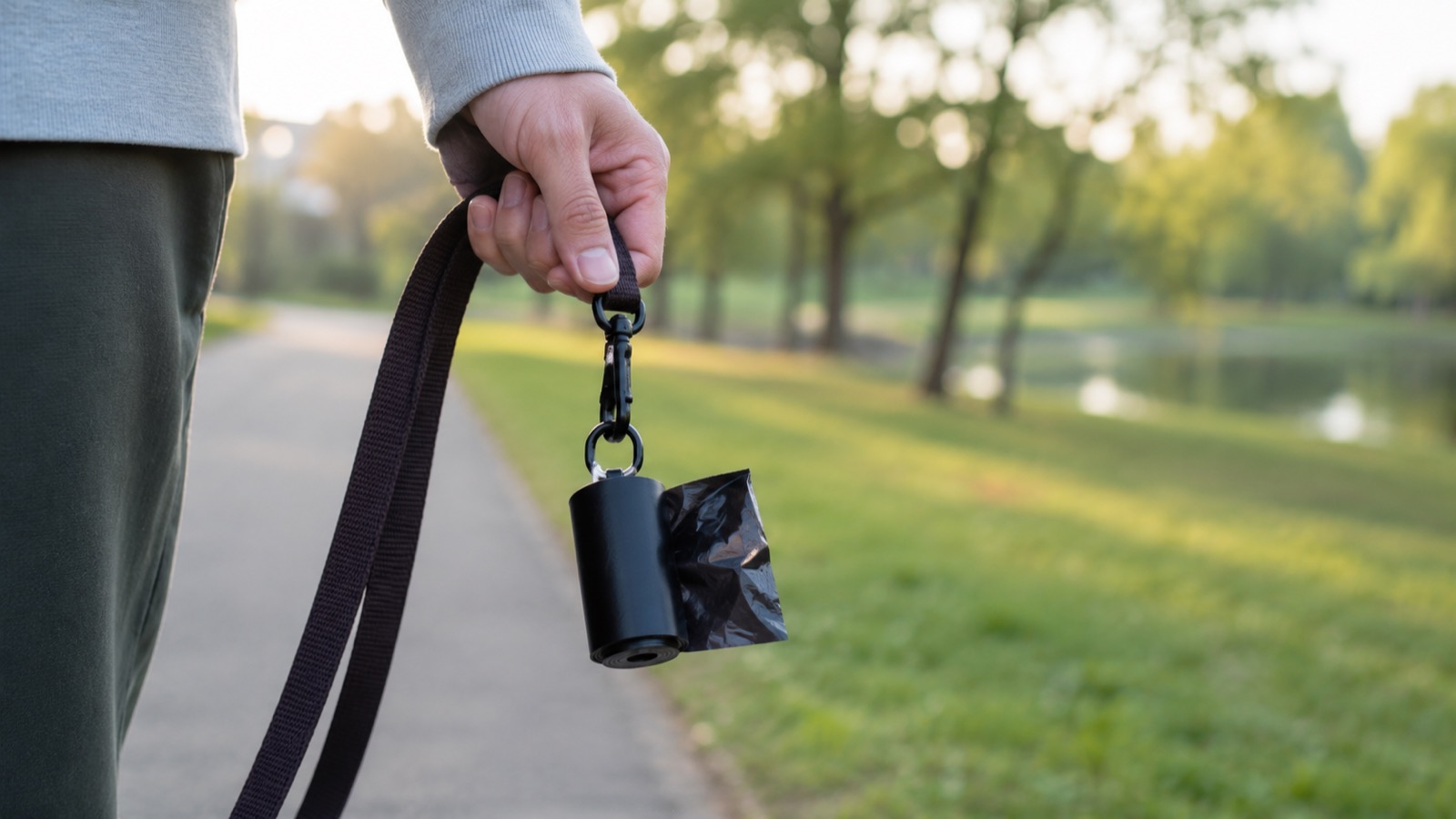
Well-placed pet waste stations are the backbone of any community solution. They combine a bag dispenser and a covered trash receptacle, making it easy and obvious for residents to do the right thing. Placement matters as much as the stations themselves.
Best practices for stations:
- Place them near common dog-walking routes and entrances
- Keep dispensers stocked so there is never an excuse
- Empty receptacles on a regular schedule to prevent overflow
- Post clear, friendly signage about community expectations
- Add stations near high-traffic green spaces
Professional Service vs. In-House Cleanup
Many communities try to manage cleanup with existing landscaping staff, but pet waste requires dedicated attention. A specialized Pooper scooper company understands proper disposal, sanitizing, and the frequency communal areas demand. This table compares the two approaches.
| Factor | In-House Staff | Professional Service |
|---|---|---|
| Frequency | Often inconsistent | Scheduled and reliable |
| Proper disposal | Varies | Compliant and documented |
| Sanitizing | Rarely included | Available as add-on |
| Station restocking | Easily forgotten | Part of the service |
| Resident complaints | Higher | Lower |
Writing Effective Community Policies
Stations and services work best alongside clear rules. Effective HOA pet policies typically include a pickup requirement, a reasonable fine structure for repeat offenders, and designated pet-relief areas. The goal is not punishment but consistent participation from every resident.
Communities that pair clear policies with reliable local experts for regular cleanup see the fastest drop in complaints and the healthiest common areas.
Encouraging Resident Participation
Stations and services solve most of the problem, but resident behavior is the final piece. The most successful communities focus on making compliance easy and social rather than purely punitive. When picking up becomes the obvious norm, complaints drop naturally.
Tactics that boost participation:
- Friendly, visible signage that reminds without scolding
- Convenient stations so no one is ever far from a bag
- Community newsletters that celebrate a clean environment
- A simple, fair enforcement process for repeat offenders
- Welcome packets for new residents that explain pet policies
Budgeting for Community Cleanup
Boards often worry about the cost of professional service, but the expense is usually modest when spread across the community and weighed against the alternative. Landscaping damage, resident turnover, and complaint-handling time all carry their own hidden costs.
- Station installation is a one-time capital expense.
- Bag restocking is a small, predictable recurring cost.
- Scheduled cleanup service is billed monthly and shared across units.
- Sanitizing add-ons are optional for high-traffic areas.
When you factor in protected property values and happier residents, the return on a well-run pet waste program is clear.
The Health and Liability Angle
Uncollected waste is a genuine health and liability concern for communities. The Centers for Disease Control and Prevention notes that pet waste can carry parasites and bacteria transmissible to people, and shared green spaces where children play raise that risk. Consistent, professional cleanup reduces both the health hazard and the potential liability for the association.
Stocking Stations Properly
An empty dispenser undermines the whole system. Keep stations filled with durable bags, and consider larger receptacles for high-traffic areas. Stocking Heavy duty trash bags in communal receptacles ensures they hold up to heavy use without tearing or leaking, keeping the area clean and odor-controlled.
Choosing the Right Service Partner
Not every provider is equipped to handle communal properties, which have different demands than a single-family yard. When evaluating a service for your community, look for experience with multi-unit and commercial accounts.
- Proven experience serving HOAs and commercial properties
- Proper licensing, insurance, and documented disposal
- Flexible scheduling that scales with community size
- Station installation and restocking as part of the package
- Clear reporting so the board can track completed work
A partner that checks these boxes becomes an asset the whole community relies on, quietly keeping shared spaces clean without the board having to manage the details.
Measuring the Results
Once a program is in place, track its impact so you can show residents the value. Simple metrics make the case at the next board meeting.
- Volume of complaints before and after the program
- Condition of landscaping in common areas over time
- Frequency of overflowing or empty stations
- Resident satisfaction survey feedback
Frequently Asked Questions
How many pet waste stations does an HOA need?
Place stations near common walking routes, entrances, and high-traffic green spaces. Larger communities need more, spaced so no resident is ever far from a dispenser and bin.
Should an HOA hire a professional waste service?
Yes, for most communities. A specialized service provides scheduled, reliable cleanup, proper disposal, and station restocking, which lowers complaints far more effectively than in-house staff.
Can an HOA fine residents for not picking up?
Most HOAs can enforce reasonable fines for repeat offenders under community bylaws. Clear signage and a fair policy encourage participation before fines become necessary.
Are pet waste stations worth the cost?
Absolutely. Stocked stations make compliance easy, reduce landscaping damage, and cut resident complaints, protecting property values and satisfaction across the community.
Conclusion: Cleaner Communities, Happier Residents
Effective HOA pet waste management combines well-placed stations, clear policies, and reliable professional cleanup to keep shared spaces healthy and complaint-free in 2026. Communities that invest in the right system protect their landscaping, their residents’ health, and their property values. Ready to solve your community’s pet waste challenge? Partner with a trusted commercial cleanup service today.